Summary
The chapter starts off by saying that there are two approaches to analyzing stereotypes: laying out the problem and depicting the solution. It then connects these ideas to the concept of “othering”. The book states that as we see negative characteristics in certain groups more often as a pattern, it’s less likely that those stereotypes are actually true. The book then states that words such as “us”, “them”, and “they” all have rhetoric power to separate groups of people. A word that the book uses is “interpellation”, which means that someone recognizes that they are being addressed. The effect of interpellation is different depending on who is being addressed and who is addressing the person.
Personal Example
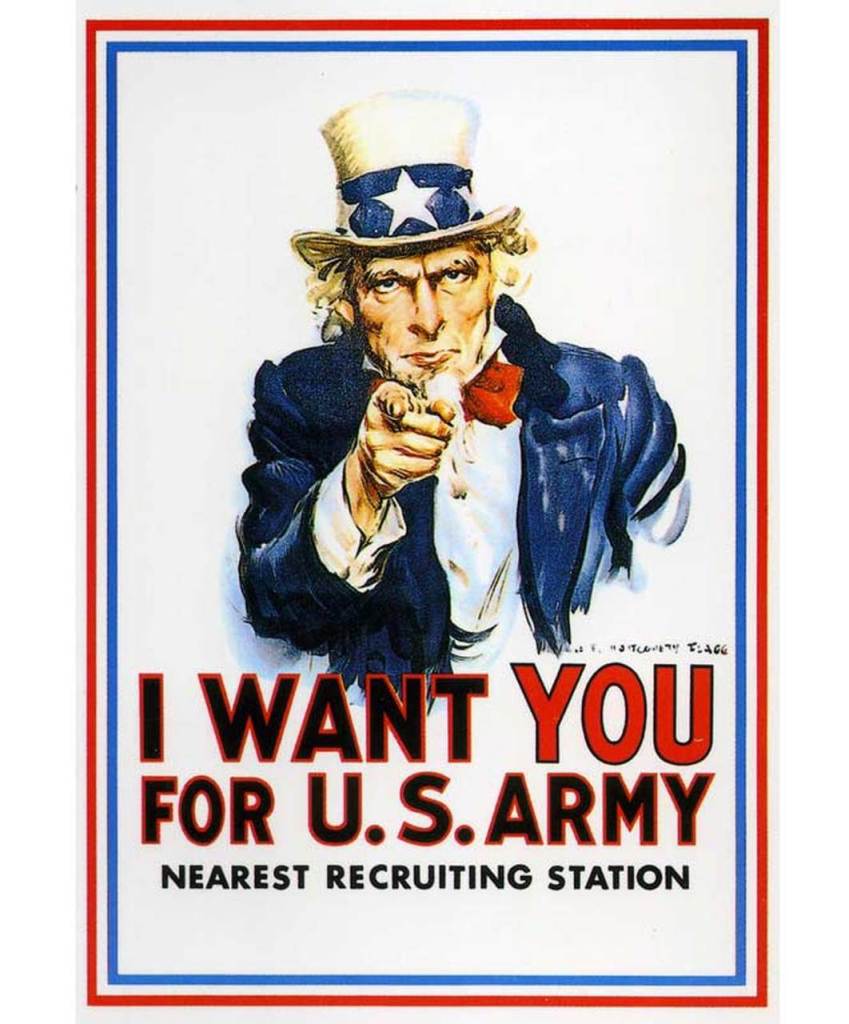
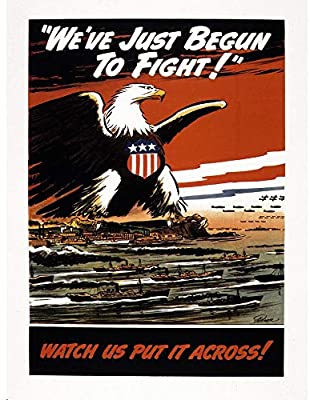
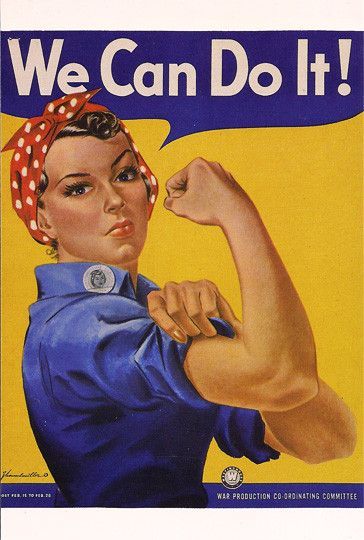
For my personal example I immediately thought of World War II propaganda posters. The purpose of them was to bring America together as a nation in order for a stronger unification. In doing so, it also helped strengthen the idea of an “us” vs. “them” idea. While not included, these posters also contained stereotypes as a result of America making a distinction between the two sides of the war.
Reading Connection
At the beginning of the chapter, the books says that the words such as “us” and “them” have strong rhetoric power. The posters that America used to unify the nation used words such as “we” and “us” to make them more personal and separate America from other countries. One of the posters above uses the word “you” to make it even more personal. That poster uses interpellation to directly address whoever is viewing the poster and therefore make a stronger call to action.
 Comm 2302 Spring 20
check plus
LikeLike