Summary of Reading:
When producing media, taking “unconnected anecdotes, ideas or bits of tape” and shaping them into a coherent storyline is a difficult job. Using movies as an example, the chronology or order in which a story plays out can affect the audience in multiple ways. For example, placing the end scene at the beginning of a movie or throwing the viewer into the story en medias res functions to create narrative suspense, keeping the viewer engaged and interested.
Outside Example:
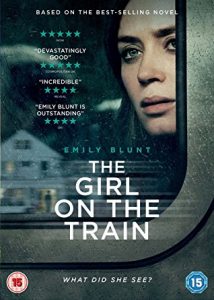
When reading the text, one example I thought of was the movie “Girl on the Train”. “Girl on the Train” is a mystery thriller drama based on the book of the same name written by Paula Hawkins. The movie centers around Rachel Watson, an alcoholic, who rides the train aimlessly since losing her husband and job. She thinks obsessively about her ex-husband (Tom) and his neighbors, Scott and Megan Hipwell who she idolizes. Rachel one day observes something awful occurring in the Hipwell home, forcing her to begin her own investigation after the police refuse to take her seriously on account of her alcoholism and untrustworthy memory. She learns that her life and the lives of the Hipwells and Tom are much more connected than she ever thought possible.
Connection to Reading:
This example connects to the reading as it relates to how manipulating the chronology of a story affects the reader. “Girl on the Train” begins en medias res. As the viewer, we are first introduced to Rachel in the aftermath of her divorce and unemployment. By starting the movie in the middle of the story, the film producers create suspense which drives the movie. We don’t know anything about her past but – as she uncovers her ex-husband’s lies- we learn about her as she learns about herself, keeping the audience engaged.
 Comm 2302 Spring 20
check plus
LikeLike