Reading Summary
The article by Danesi breaks down the concept of Semiotics. In simple terms, semiotics is how individuals interpret the meaning of signs. “It answers the what, how, and why of meaning” (Danesi, 11). These interpretations vary from person to person depending on cultural influences and context of use. Additionally, every definition of a word has another definition and repeats in a constant cycle. Danesi emphasizes 3 major types of signs; icon, index, and symbol. Our interpretations of these is usually developed during childhood.
Outside Example
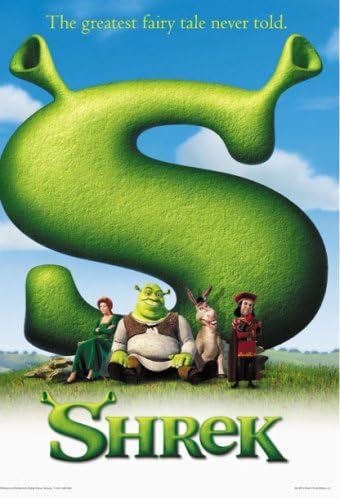
Traditional fairytales have been developed around a similar plot and use the same characters. If asked the basic premise of these movies, all individuals would likely respond with the classic hero journey. Specifically involving the good and bad guys, the damsel in destress, the sidekick, friends, the evil one, etc. All these thoughts are preconceived ideas that have been implemented since childhood. Shrek can be considered a modern-day fairytale in which characters have and represent multiple ideas. All though maintaining the normal fairytale plot and characters, one can interpret these in different ways. Shrek is clearly an ogre in form but is also prince charming in character. The connotation of ogres is negative and often seen as yucky and gross. In opposition, prince charming is seen in a positive light as a magical and dreamt of figure.
Reading Connection
Shrek implements the idea of semiotics through its characters having multiple interpretations in signs. Representing a variation of animals, ideas, and characters; each have versatile meanings depending on how one views them. One may consider Shrek a gross ogre or dreamy prince charming. They also can view donkey as an animal, friend of Shrek, or sidekick. Depending on the context in which Shrek is seen, the individual develops their own assumptions and meanings.
 Comm 2302 Spring 20
check plus
LikeLike