Summary:
According to What Media Classes Really Want to Discuss, customers expect consistency when it comes to genres of films or television shows. If a person enjoys romantic comedies, they rely on that genre to elicit the same emotions. Media consumers rely on a “brand” and that brand is genres, directors, and actors. One can predict what the movie or show will be like according to these three factors. Film genres come with specific codes that experienced movie watchers can decipher right away. This creates a feeling of familiarity that comes with certain genres. However, media consumers are looking for variety within the framework of their chosen genre. This is where creativity on part of the director or actor comes into play. This predetermined framework for a specific genre allows creative expression to be noticed more clearly. There are many recognizable components of a genre such as certain character stereotypes that feed into a plot line or different narrative situations, such as bumping into someone in the hallway and dropping books. However, overtime a genre can change when a certain formula for a plot has been overused. This is how the genre grows, responding to the pressure for variation. However, it is often very difficult to come up with a genre definition broad enough to include all related films and television programs. Critics try and create definitions that include as many related films and TV shows as possible by focusing on one main aspect of the genre, such as including a “monster” as the main defining feature of a horror film. Nowadays, some filmmakers still make pure genre movies, with no other elements, but that is becoming more rare. Filmmakers are combining elements from different genres. Thomas Schatz suggested that we use “modes” which are similar to genres in the way that they elicit emotions, however, “modes” can refer to specific scenes. This allows for directors to be able to play with different emotions and not be bound to one specific genre for the entire film or TV program.
Outside example:
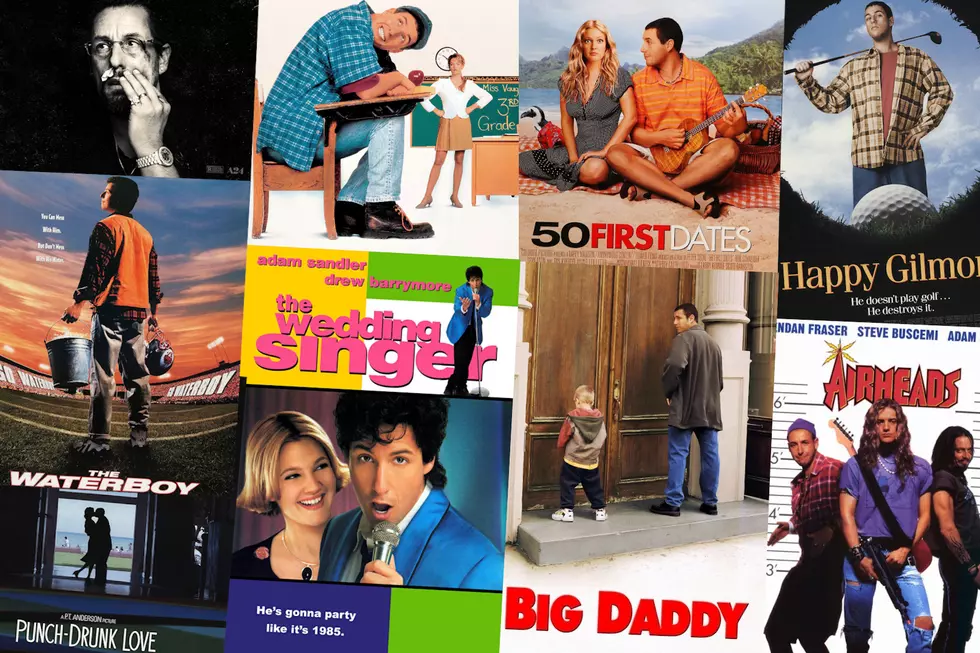
As I learned after reading chapter 4 in What Media Classes Really Want to Discuss, genre is something that is very difficult to pin down or classify. The example I want to talk about is Adam Sandler movies. Adam Sandler is a very famous actor who is known for his comedies and when I decide to watch one of his movies, I am expecting to get a good, wholesome laugh out of it. For example, I remember watching Grown Ups for the first time and thinking that it was a classic Adam Sandler movie. He seems to always play similar characters. Basically, when choosing to watch one of his movies, you are predicting the kind of experience you are going to have when watching it.
Connection to reading:
One is able to predict the outcome or emotional response of an Adam Sandler movie because they know the “code” or “formula” outline of his comedies. A good ninety-nine percent of the time, Sandler does comedies, maybe a couple rom-coms. He always makes you laugh. However, there are two Adam Sandler movies that stick out to me: Click and Uncut Gems. These are the two that don’t fit into his normal genre of comedy. When I watched Click on Netflix, I assumed that I would get a lighthearted laugh that I was looking for. However, I was unhappily surprised when I ended up crying at the end of the movie because of how sad it was. Then, just a couple nights ago, I watched uncut gems, which I was more expecting to be out of the comedy genre. This movie proved that Adam Sandler has range in this acting skills, even though he is type casted as a comedian.
 Comm 2302 Spring 20
check plus
LikeLike