Summary: The chapter starts with discussion of approaches to analyzing stereotypes in media and how this relates to the idea of “othering”. It talks about the words us, you, and we to show how media aims messages for us to be a part of through interpellation. This can be seen through words and images that not only aim to make you belong in that group but also show the flip side of being excluded, for example, the commercial showing teens having fun. It shows this positive/negative relationship through the example of Native Americans, how the positive is “them” being connected to nature not like “us”, but also the violent side of that connection. It discusses the magnetism of othering and how our experiences make us more susceptible to stereotyping where an instance that confirms the belief, we tend to stick to. When talking about media makers about these negative portrayals it discusses how they create villains based on society representations to tell the story. It then discusses the comic other and how they create that separation because they are less normal than the others, while still making us sympathize for the character to connect us on a deeper level. It then talks about the difficulties of making a positive image because it forces the whole group to one image, which would be impossible to truly embody the whole group. To fix this media makers use strategies to portray the aspects of the character as positive/negative, instead of the character as a whole. They do this by making the other the problem, setting story in past, stacking the deck, making them a power fantasy or token, and exnomination. It ends the chapter discussing the importance of the other and their representation. It talks about drawing boundaries of identification and how popular culture “recycle variations on a theme”. For the future, the author wants to broaden the range of representations and in the process of repetition to “overcome the magnetism of stereotypes”.
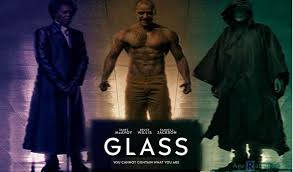
Personal Example: When reading about how film makers develop a villain through stereotypes, it made me think of an instance with the opposite. In the film “Glass”, we follow one of the main characters trying to stop another called the Beast. In the beginning of the film we are made aware that he goes after villains for justice. What differs from the hero in this movie is that he is portrayed as a villain usually would be. He wears a dark hood and is seen battling in dark gloomy places. It tricks the viewer into thinking he is the bad guy even though we know that he is going after the bad people.
Reading Connection: While this difference of dark colors and mysteriousness of a hero are present, the article points out that “the hero bears a strong resemblance to the antagonist”, and is shown from the hood, because like most heroes, they try to keep their identity hidden. On page 98, the author gives the anecdote of Lego blocks and good guy/bad guy. His son chose the darker Lego as the bad guy based on his experiences, but in this movie just by looking at how he is dressed and presented with a deep voice, you would think he was the villain, when in fact he was stopping the bad guys. It states that media makers don’t try to reflect the real world, they’re just trying to tell the story. In this story, while he is trying to stop bad guys, he is also dealing with a conflict within himself over his powers. The black hood could show the aspects of inner conflict while the aspect of hidden identity could show his similarities to a hero and his ultimate goal to stop villains. In this way they take aspects of the typical villain/hero character to show us the character’s full story and how he doesn’t fit into just one stereotype because while he is stopping villains, he is also violent.
 Comm 2302 Spring 20
check plus
LikeLike